
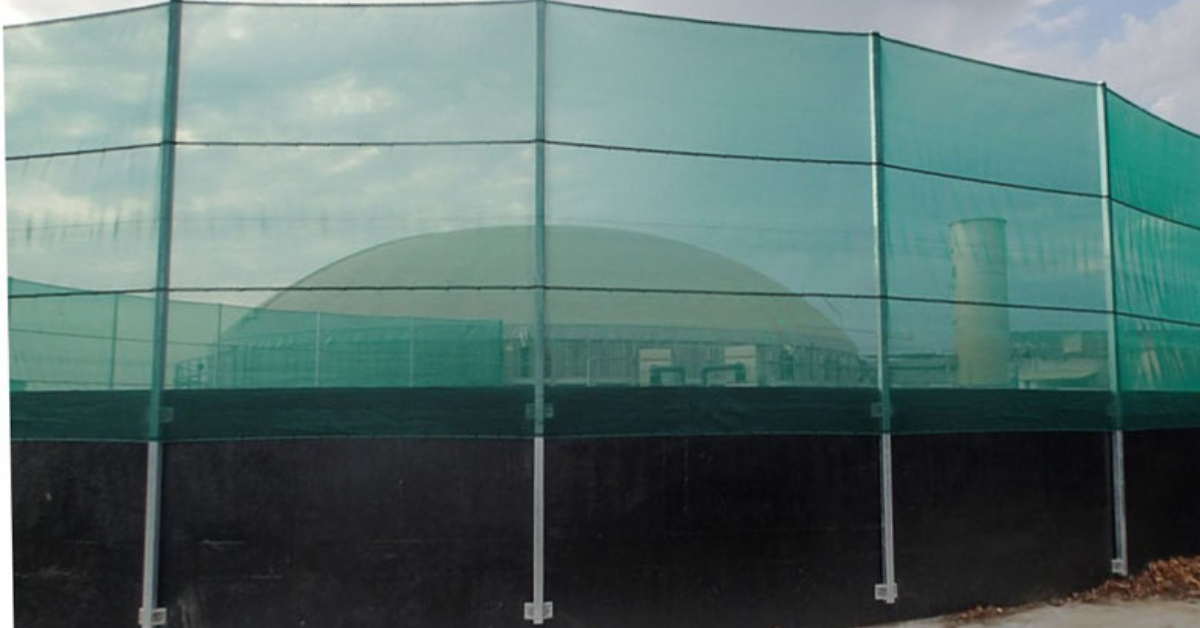
Scaffold Netting: Essential Safety and Protection for Construction Sites
Scaffold netting plays a crucial role in maintaining safety and efficiency at construction sites. It is widely used across residential, commercial, and industrial projects to prevent accidents, protect workers, and control debris. Whether you are working on a high-rise building or a small renovation project, Scaffold Netting ensures a secure working environment while improving overall site management.
What is Scaffold Netting?
Scaffold netting is a durable mesh material installed around scaffolding structures to provide protection and containment. It is typically made from high-density polyethylene (HDPE) or similar synthetic materials that offer strength, flexibility, and resistance to environmental conditions. The primary purpose of scaffold netting is to act as a barrier that prevents construction debris from falling while also safeguarding workers and pedestrians.
This protective layer is commonly seen wrapped around scaffolding frames, especially in urban areas where public safety is a major concern. Its lightweight design allows easy installation without adding unnecessary load to the structure.
Importance of Scaffold Netting in Construction
The use of scaffold netting is essential for modern construction practices. Safety regulations in many regions require contractors to implement protective measures to minimize risks. By installing scaffold netting, construction companies can significantly reduce the chances of accidents caused by falling tools or materials.
Another key benefit is environmental control. Dust and debris generated during construction can spread into surrounding areas, causing pollution and inconvenience. Scaffold netting helps contain these particles, ensuring a cleaner and more controlled worksite.
In addition, it improves the visual appearance of construction sites. Instead of exposing unfinished structures, netting provides a neat and professional look, which is especially important for projects located in busy commercial zones.
Types of Scaffold Netting
There are different types of scaffold netting available depending on project requirements. Each type serves a specific purpose and offers varying levels of protection.
Debris Netting
This type is designed to catch falling debris and prevent it from reaching the ground. It is commonly used in high-rise construction and demolition projects.
Fire-Retardant Netting
Fire-resistant scaffold netting is treated with special chemicals to reduce the risk of fire hazards. It is ideal for projects where welding or other heat-related activities are involved.
Shade Netting
Shade netting provides protection from sunlight and helps regulate temperature on the site. It is often used in hot climates to create a more comfortable working environment.
Printed Netting
Some scaffold netting comes with printed designs or branding. This is commonly used for marketing purposes, allowing companies to display advertisements or project details.
Key Features of Scaffold Netting
Scaffold netting is designed with several features that make it suitable for construction use. Its high tensile strength ensures durability even under heavy stress. The material is resistant to UV rays, which prevents damage from prolonged exposure to sunlight.
Another important feature is its lightweight nature, making it easy to handle and install. Despite being light, scaffold netting provides excellent coverage and protection. It is also weather-resistant, allowing it to withstand rain, wind, and harsh environmental conditions.
The mesh structure allows proper airflow while still containing debris. This balance is essential to maintain ventilation without compromising safety.
Benefits of Using Scaffold Netting
Using scaffold netting offers multiple advantages for construction projects. One of the biggest benefits is enhanced safety. Workers are protected from falling objects, and pedestrians are shielded from potential hazards.
It also helps in compliance with safety regulations. Many construction authorities require the use of scaffold netting to ensure worker and public safety. By following these guidelines, companies can avoid legal issues and penalties.
Cost efficiency is another advantage. Preventing accidents reduces the risk of project delays, medical expenses, and damage claims. This makes scaffold netting a smart investment for long-term savings.
Additionally, it improves productivity. Workers feel more secure when proper safety measures are in place, allowing them to focus on their tasks without constant concern about potential risks.
Installation Process
The installation of scaffold netting is relatively simple but must be done correctly to ensure effectiveness. The netting is attached to the scaffolding structure using ties, ropes, or clips. It should be secured tightly to prevent gaps that could allow debris to pass through.
Proper alignment is important to ensure full coverage of the work area. Overlapping sections may be used for added protection, especially in high-risk zones. Regular inspection is also necessary to check for any damage or loosening of the netting.
Professional installation is recommended for large-scale projects to ensure compliance with safety standards.
Maintenance and Care
To maintain the effectiveness of scaffold netting, regular inspection and maintenance are required. Any tears or damage should be repaired immediately to prevent safety risks. Cleaning the netting helps remove dust and debris buildup, ensuring optimal performance.
Storage is also important when the netting is not in use. It should be kept in a dry and safe place to prevent damage from moisture or pests. Proper handling and care can extend the lifespan of scaffold netting, making it a cost-effective solution.
Applications Beyond Construction
While scaffold netting is primarily used in construction, it also has applications in other industries. It is commonly used in event management to create temporary barriers and enclosures. In agriculture, similar netting materials are used to protect crops from pests and harsh weather.
Sports facilities also use netting for safety purposes, such as enclosing playing areas. This versatility makes scaffold netting a valuable tool in various fields.
Choosing the Right Scaffold Netting
Selecting the right scaffold netting depends on the specific needs of the project. Factors such as material quality, mesh size, and durability should be considered. Projects involving heavy debris may require stronger netting, while lighter tasks can use standard options.
It is also important to choose netting that complies with safety standards and regulations. High-quality scaffold netting ensures better performance and long-term reliability.
Working with trusted suppliers can help in selecting the most suitable product for your project. They can provide guidance on the best type of scaffold netting based on your requirements.
Conclusion
Scaffold netting is an essential component of construction safety and site management. It provides protection, improves efficiency, and ensures compliance with safety regulations. From preventing accidents to controlling debris, scaffold netting offers numerous benefits that make it indispensable for modern construction projects.
By investing in high-quality scaffold netting and ensuring proper installation and maintenance, construction companies can create a safer and more productive work environment.